
18 March 2025
DPP for Electric Vehicles: Why the Digital Product Passport Is Crucial for Sustainable Mobility
Il Digital Product Passport è essenziale per rendere le auto elettriche più sostenibili, migliorando tracciabilità e gestione responsabile.
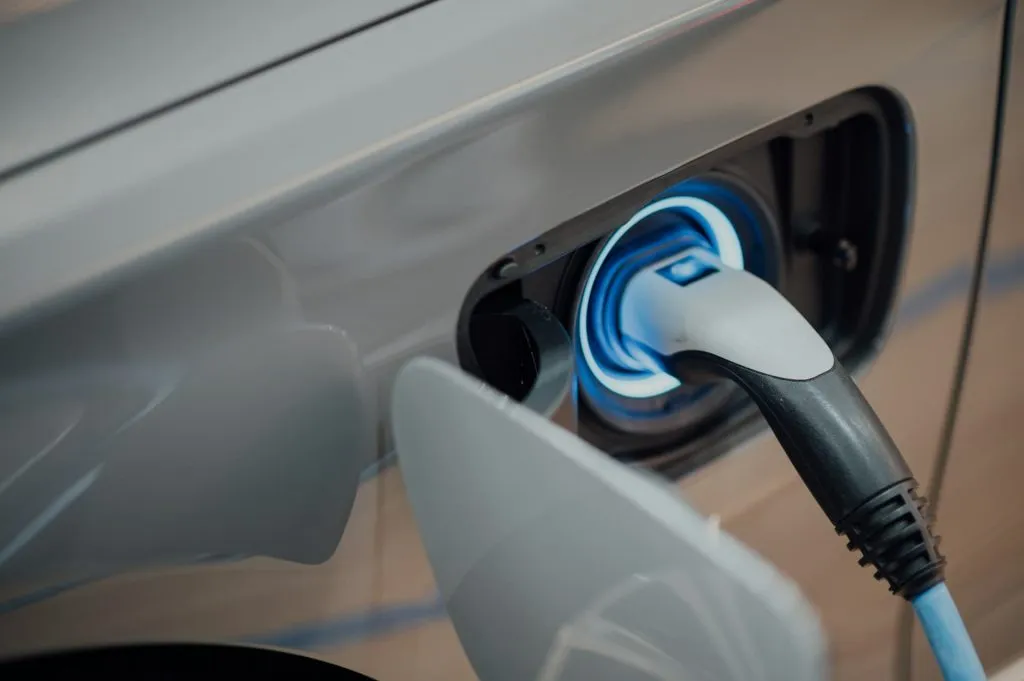
The transition to sustainable mobility is one of the key strategies in the fight against climate change and CO₂ emissions reduction. Electric vehicles are among the most promising solutions in this context, but their widespread adoption also brings challenges related to data management and the sustainability of the vehicle’s life cycle. This is where the Digital Product Passport (DPP) comes in—a technological innovation rapidly gaining traction in the automotive industry and significantly impacting the sustainability of electric vehicles.
What Is the Digital Product Passport (DPP)?
The Digital Product Passport is a digital system that provides complete, verifiable information about a product’s life cycle. In the case of electric vehicles, the DPP collects crucial data regarding production, maintenance, usage, and recycling, making this information accessible to all stakeholders, including manufacturers, consumers, service centers, and recycling facilities.
Each electric car, through the DPP, has a sort of “digital passport” that tracks its history, technical specifications, usage conditions, and every stage of its life cycle. This tool leverages technologies like blockchain, ensuring data immutability and transparency, and offering an unprecedented level of trust.
➡️ Contact us to learn more
Why Is the DPP Crucial for Sustainable Mobility?
-
Transparency and Traceability
Traceability is essential to ensuring sustainability. The DPP allows every stage of an electric vehicle’s life—from production to end-of-life—to be tracked, including all information about disposal and material recycling. This level of transparency helps prevent unsustainable practices and ensures responsible vehicle management.
-
Recycling Optimization
A commonly overlooked aspect of electric vehicles is the recycling of batteries and materials. Lithium batteries—crucial to EV function—contain valuable elements like lithium, cobalt, and nickel, which can be reused. The DPP enables better tracking and management of these components, improving recycling efficiency and reducing overall environmental impact.
-
Product Lifespan Extension
The DPP enables more accurate and personalized maintenance of electric vehicles by continuously collecting and analyzing data on their condition. This allows owners to address issues early, extending the life of the vehicle and reducing the environmental impact of premature replacements.
-
Encouraging Environmental Responsibility
Adopting the DPP allows for continuous monitoring of an electric vehicle’s environmental impact. With access to this data, consumers can make more informed choices by selecting vehicles that meet their sustainability standards, thereby fostering a culture of environmental responsibility. Additionally, EV manufacturers can improve their processes and reduce the environmental footprint of their products and operations.
-
Easier Second-Hand Vehicle Market
The DPP also facilitates the buying and selling of used vehicles by giving potential buyers access to full information on the vehicle’s condition and maintenance history. This increases trust in the second-hand market and supports the circular economy—one of the key components of sustainable mobility.
DPP Adoption in the Automotive Sector
The automotive industry is beginning to recognize the value of the Digital Product Passport, especially as stricter sustainability regulations come into force. The European Union, for example, is actively promoting the adoption of technologies like the DPP to ensure products are traceable, recyclable, and compliant with environmental standards.
Leading EV manufacturers are integrating the DPP into their platforms to improve life cycle management. Innovative companies like ours are at the forefront of enhancing data traceability and security, making the DPP even more powerful.
Conclusion
The Digital Product Passport is one of the keys to unlocking the full potential of sustainable mobility. For electric vehicles, it is more than a traceability tool—it’s an opportunity to improve recycling efficiency, optimize maintenance, and ensure responsible vehicle management. As the EV market grows and regulations tighten, the DPP will become increasingly essential for the future of mobility, driving a greener, more transparent, and more sustainable approach.
Adopting the Digital Product Passport is not just a technological choice—it’s a strategic move toward a future where sustainability and innovation are central to change.