
24 April 2025
Digital Product Passport wine: how to use a QR Code to trace origin and quality
Scopri come il Digital Product Passport applicato al vino, tramite QR Code, permette di tracciare origine e sostenibilità di ogni bottiglia.
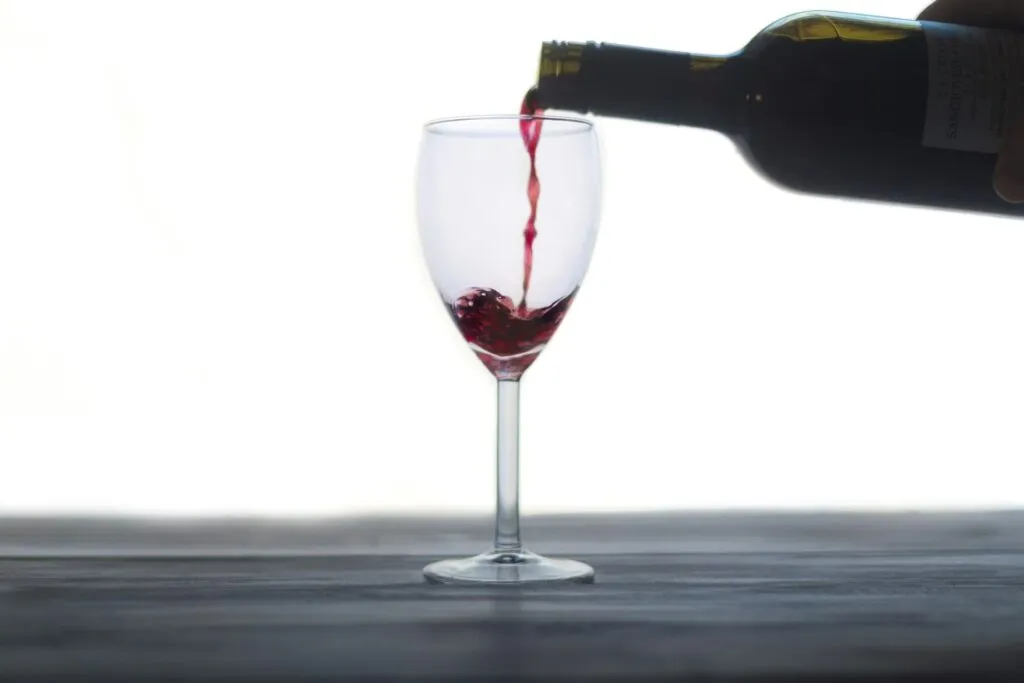
In the wine industry, transparency is becoming an increasingly central value. With the introduction of the Digital Product Passport (DPP) , supported by technologies such as QR codes and blockchain , wine producers can now ensure complete traceability of every bottle.
This article explains what the Digital Product Passport means for the wine sector, how the QR code system works, and why it represents a revolution across the supply chain.
What Is the Digital Product Passport in the Wine Sector?
The Digital Product Passport is a unique digital identity that accompanies every physical product. For wine, this means assigning each bottle a “digital ID card” that certifies:
-
Origin of the grapes
-
Cultivation and winemaking methods
-
Quality certifications (DOC, DOCG, organic, etc.)
-
Vineyard and cellar treatments
-
Bottling and distribution data
-
Environmental impact and sustainability
All this information is collected, digitized, and made available to the end consumer through a QR code printed on the label.
How the QR Code Works: Instant Access to Wine Data
The QR code is not just a simple link—it’s a bridge between the physical bottle and its digital story. By scanning the code with a smartphone, the user accesses a platform displaying all the information embedded in the Digital Product Passport, in real time.
What the Consumer Can View:
-
* **Geographical origin and grape variety**-
Detailed technical sheets
-
Official tasting notes
-
Sustainability certifications
-
Awards and recognitions
-
Chemical analyses (alcohol content, residues, etc.)
-
-
Logistics chain : from producer to point of sale
A level of transparency that would be impossible with a traditional paper label alone.
4 Key Benefits for Wine Producers
Adopting a Digital Product Passport system with QR codes is not just about regulatory compliance—it’s a strategic lever for marketing, brand protection, and process optimization in the food and beverage industry.
1. Authentication and Anti-Counterfeiting
Each bottle can be uniquely traced, making fraud nearly impossible. The QR code can be linked to blockchain timestamps certifying every step in the supply chain.
2. Enhanced Perceived Value
Telling the story of the wine in a digital, verifiable format allows producers to position themselves in premium market segments and stand out from those who don’t adopt such technologies.
3. Customer Loyalty and Marketing
QR codes can activate personalized experiences : exclusive content, verified storytelling, food pairings, invitations to events, or direct links to e-commerce.
4. Preparation for European Regulations
The Digital Product Passport will become mandatory in various sectors starting in 2026 under the Ecodesign Regulation. The agri-food industry—including wine—is likely to be involved soon.
How to Implement a Digital Product Passport in Wine Production
Current solutions are based on SaaS platforms , ERP system integrations , IoT sensors , and blockchain infrastructure. The key steps to implementation are:
-
Data collection (from vineyard to packaging)
-
Data normalization and digital signing
-
Generation of the Digital Product Passport
-
Creation and printing of a dynamic QR code
-
User interface for final consumer access
This can be managed internally or entrusted to specialized providers like MyLime.
Conclusion: An Opportunity for Forward-Thinking Wineries
The Digital Product Passport is more than a technology—it’s a tool to tell stories, add value, and protect quality. For those in the wine industry, this is a real opportunity to turn every bottle into a direct communication channel that builds trust, drives engagement, and innovatively safeguards the product.
The future of wine is transparent—and it starts now.